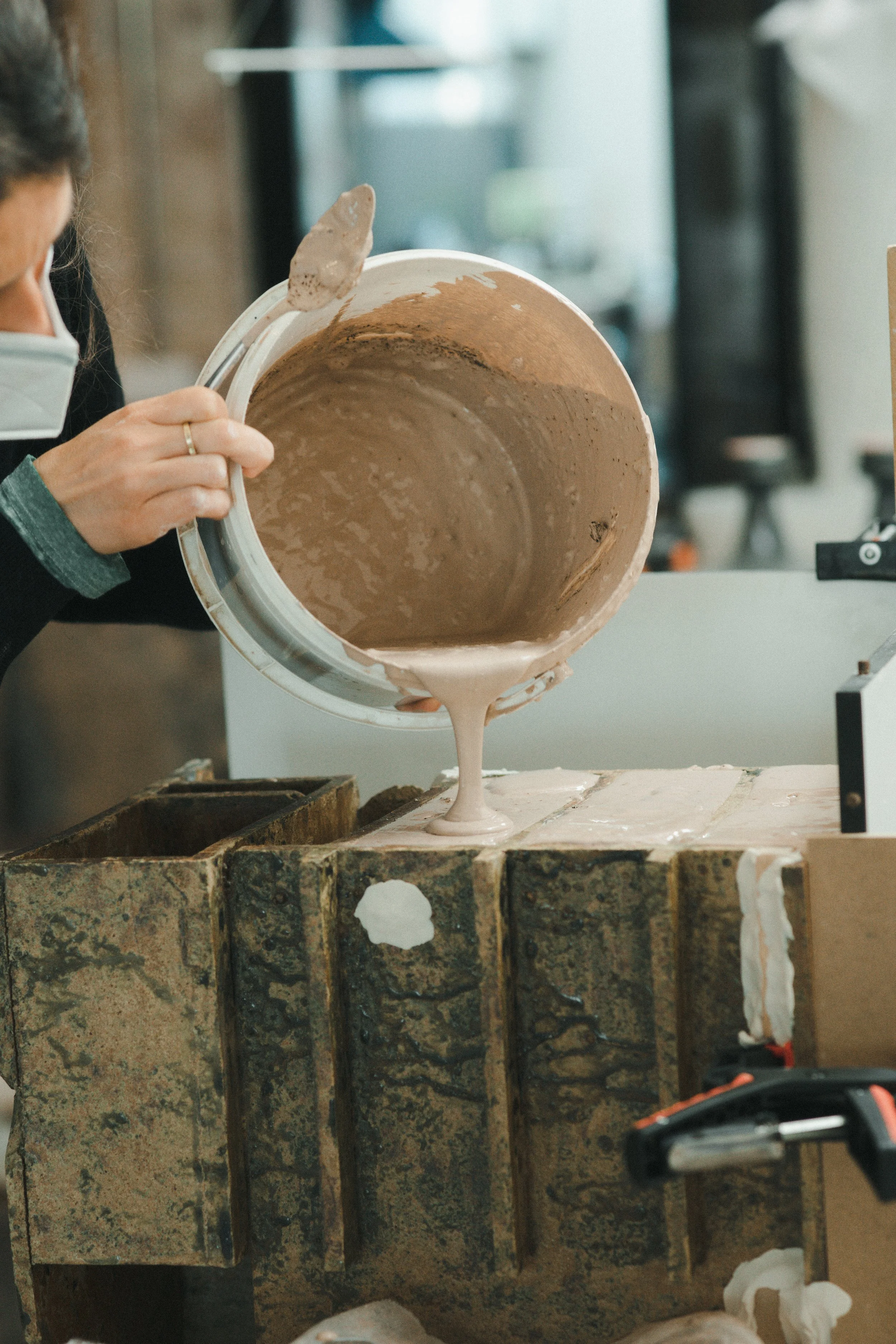
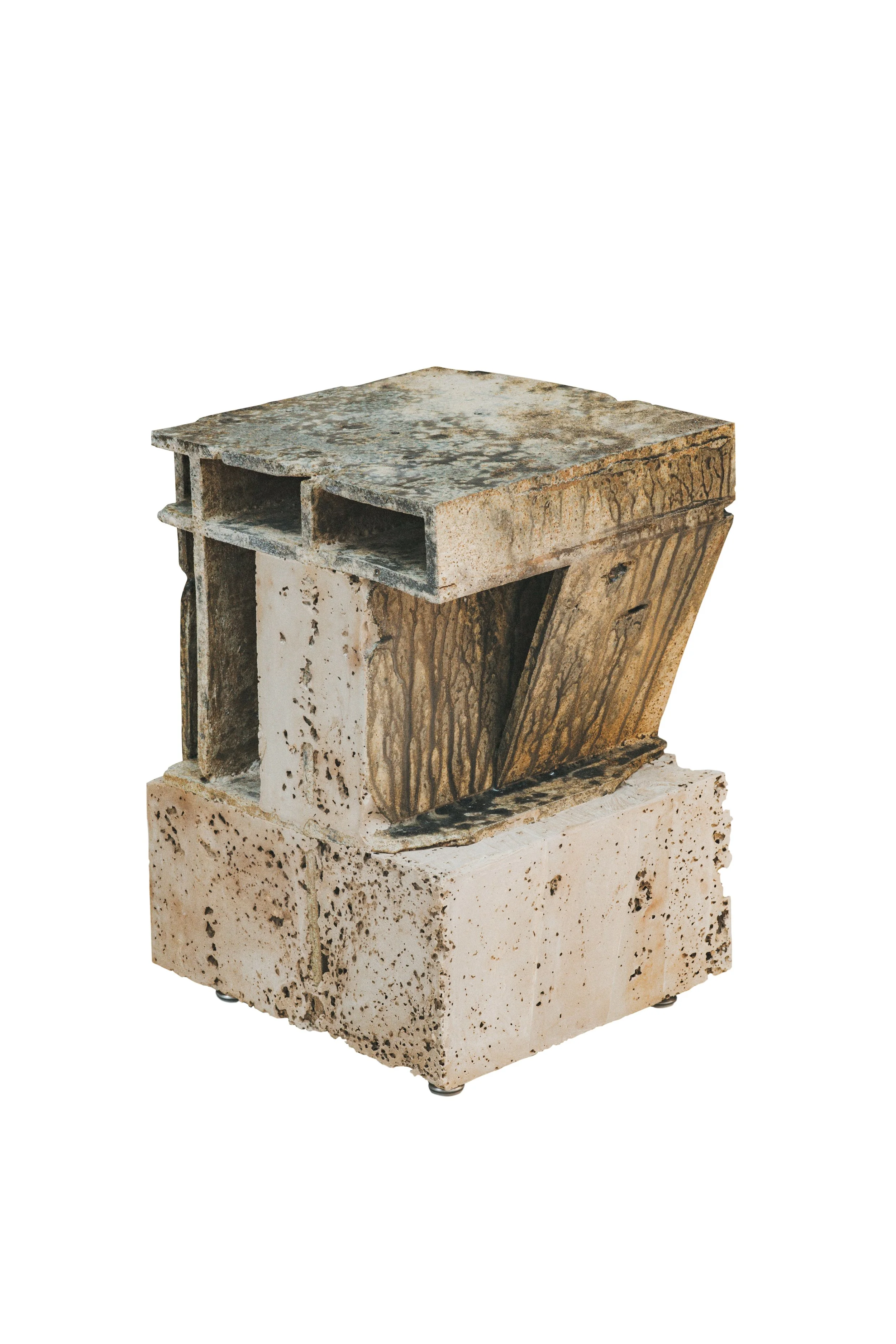
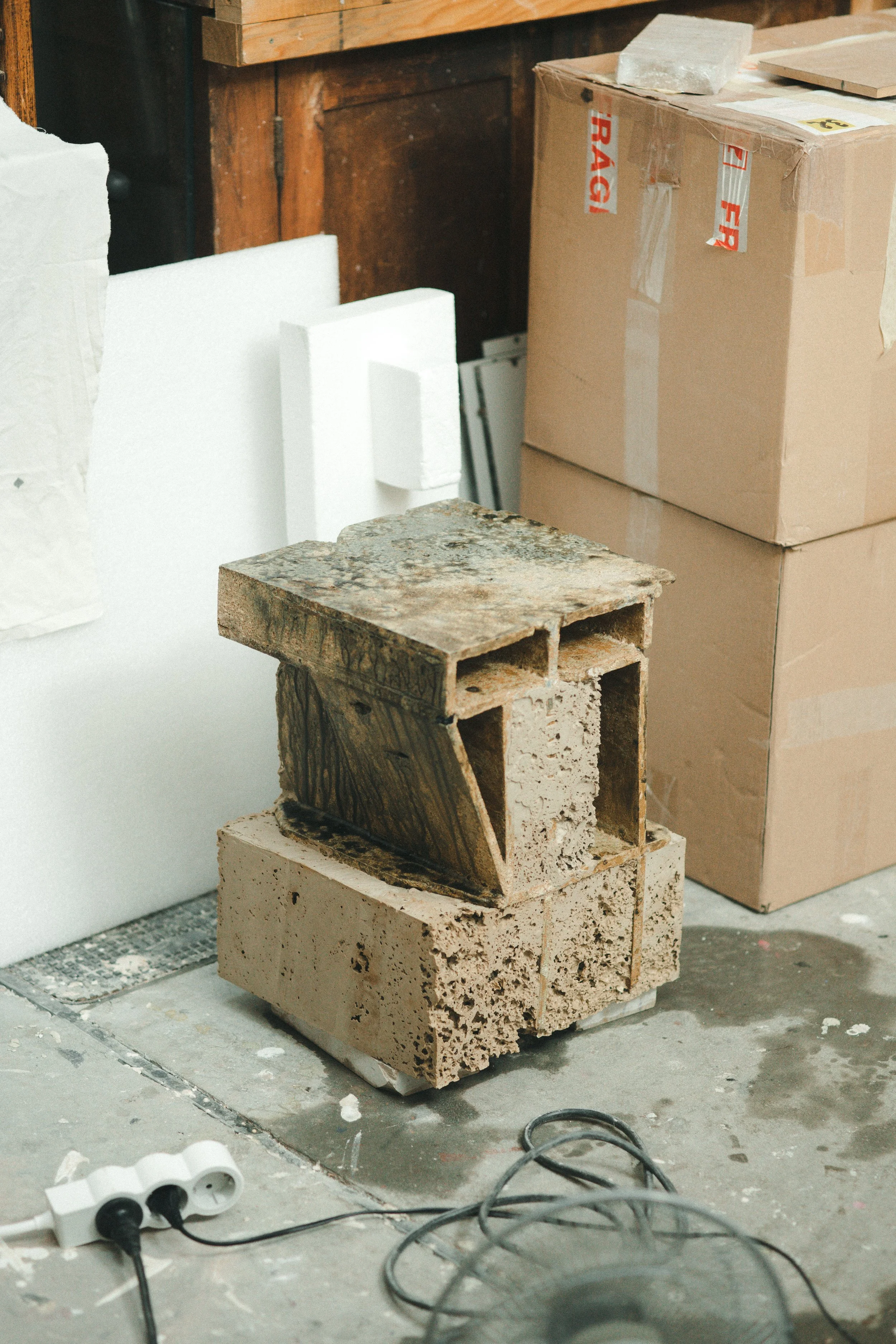
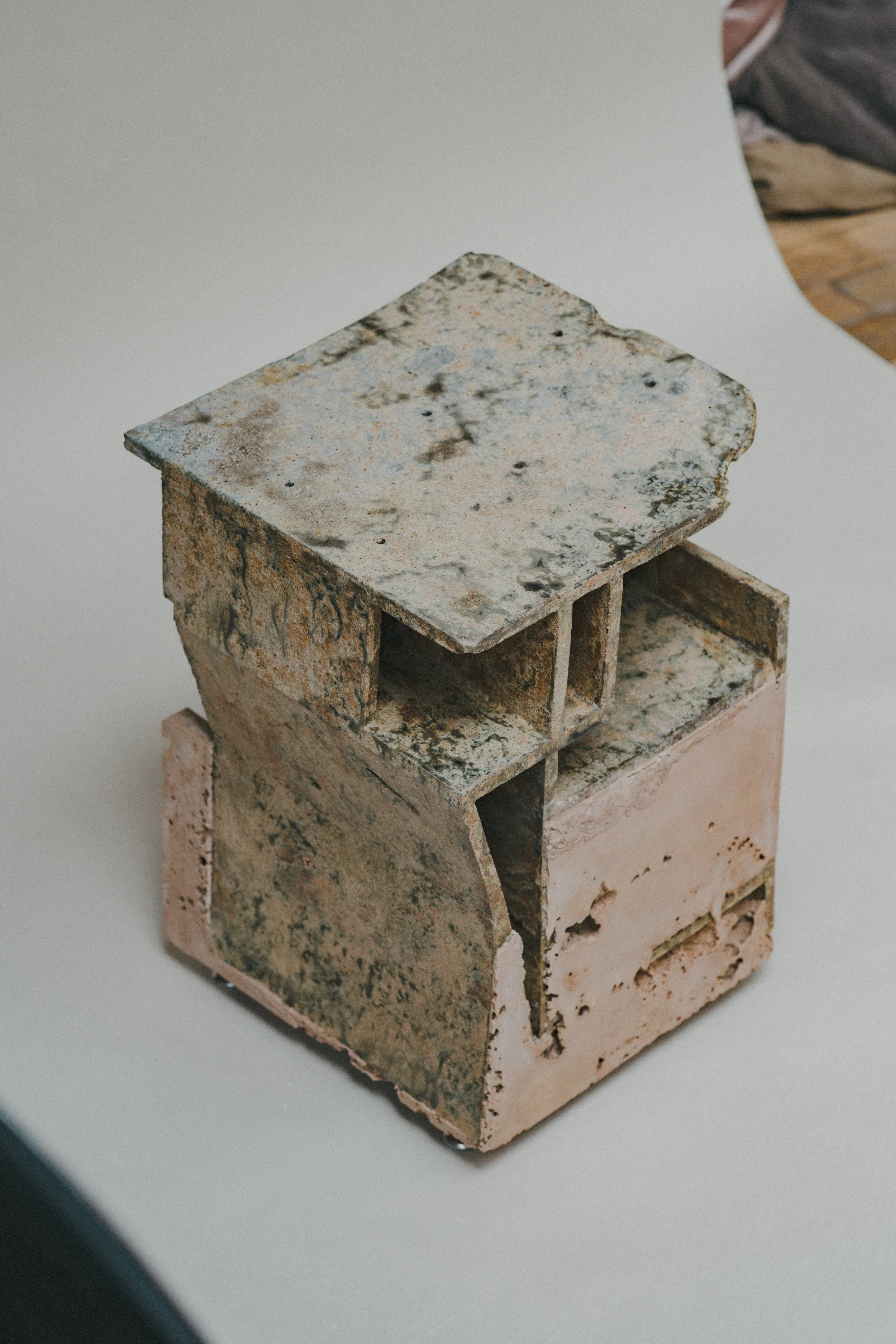
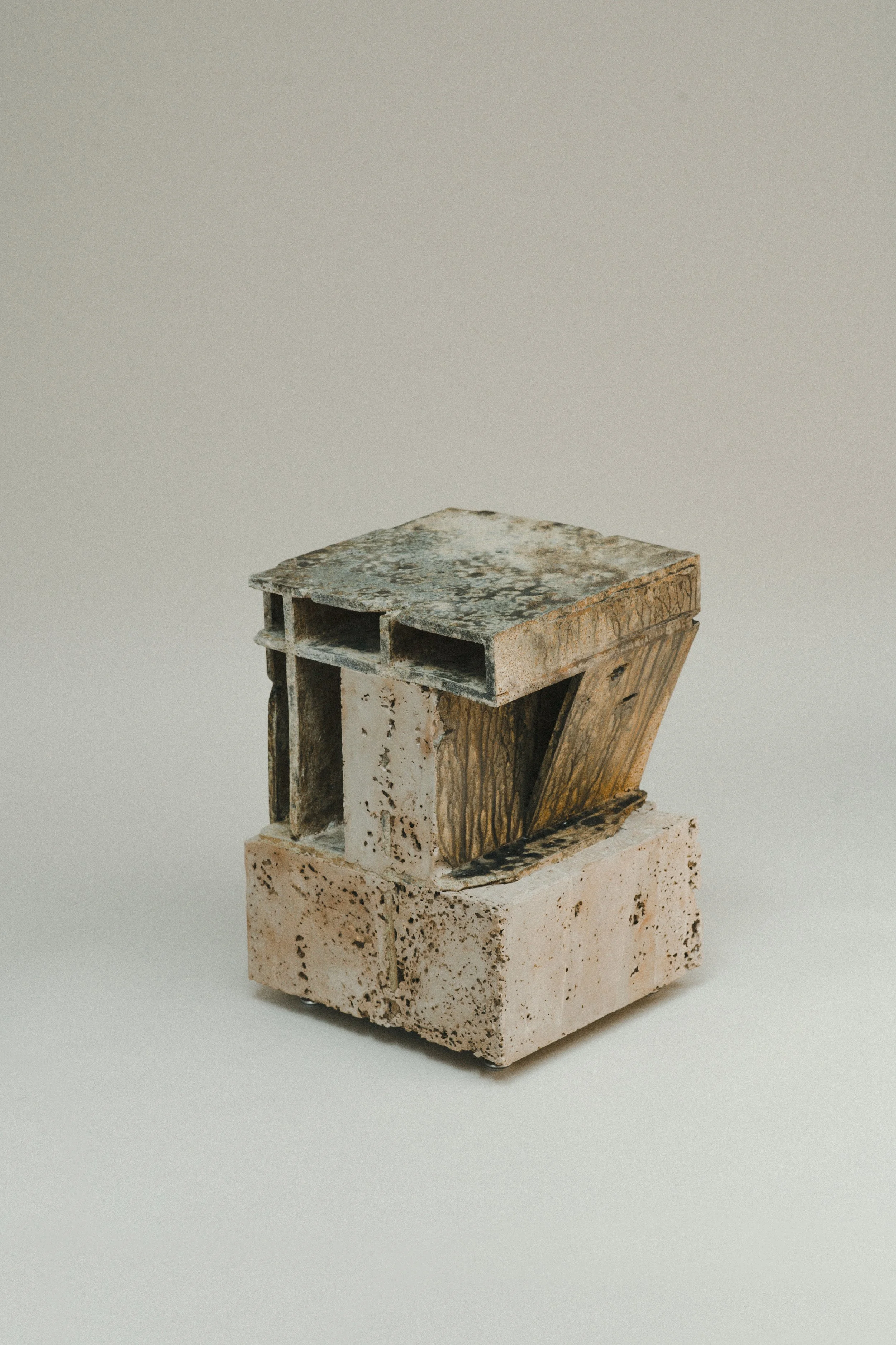
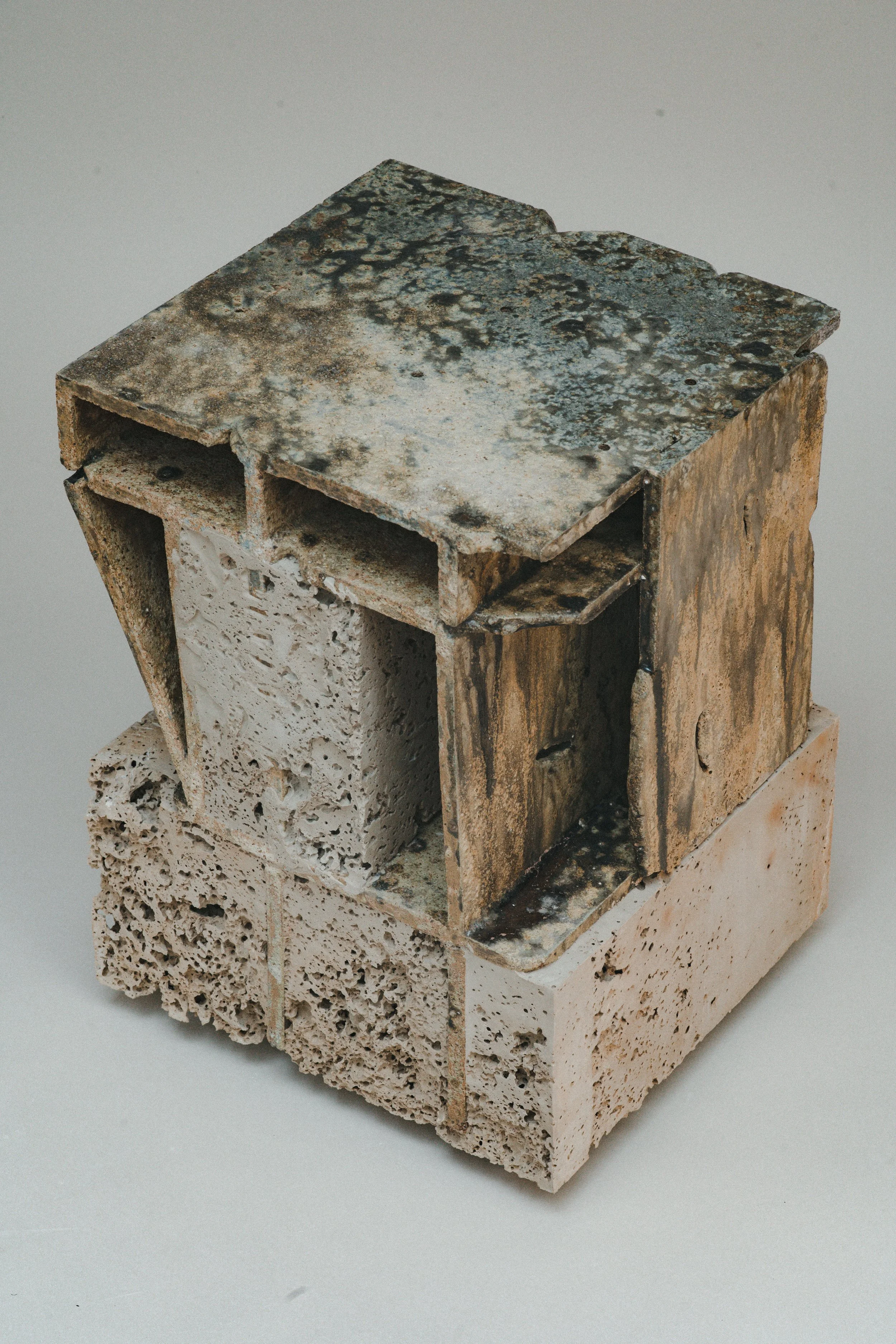
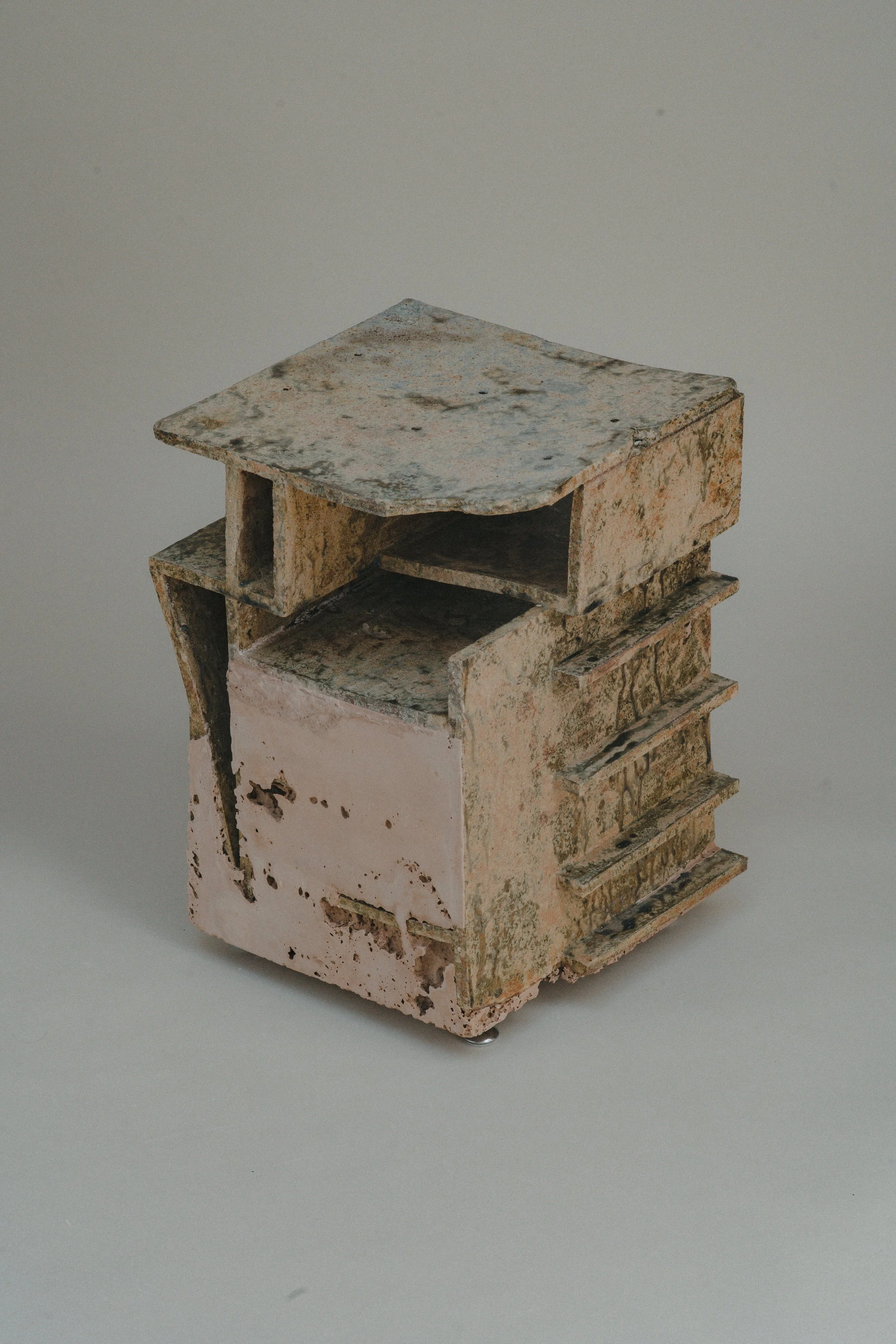
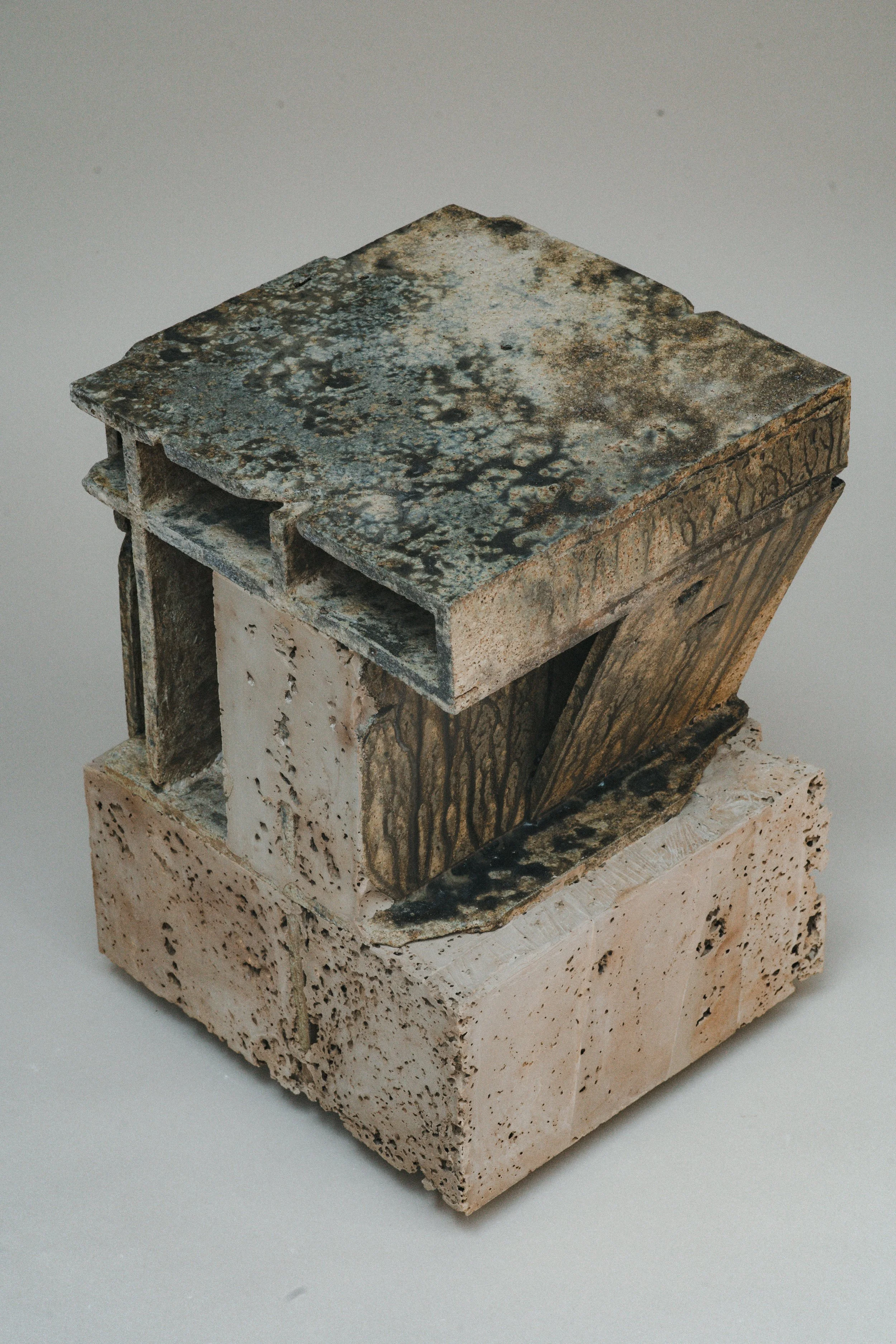
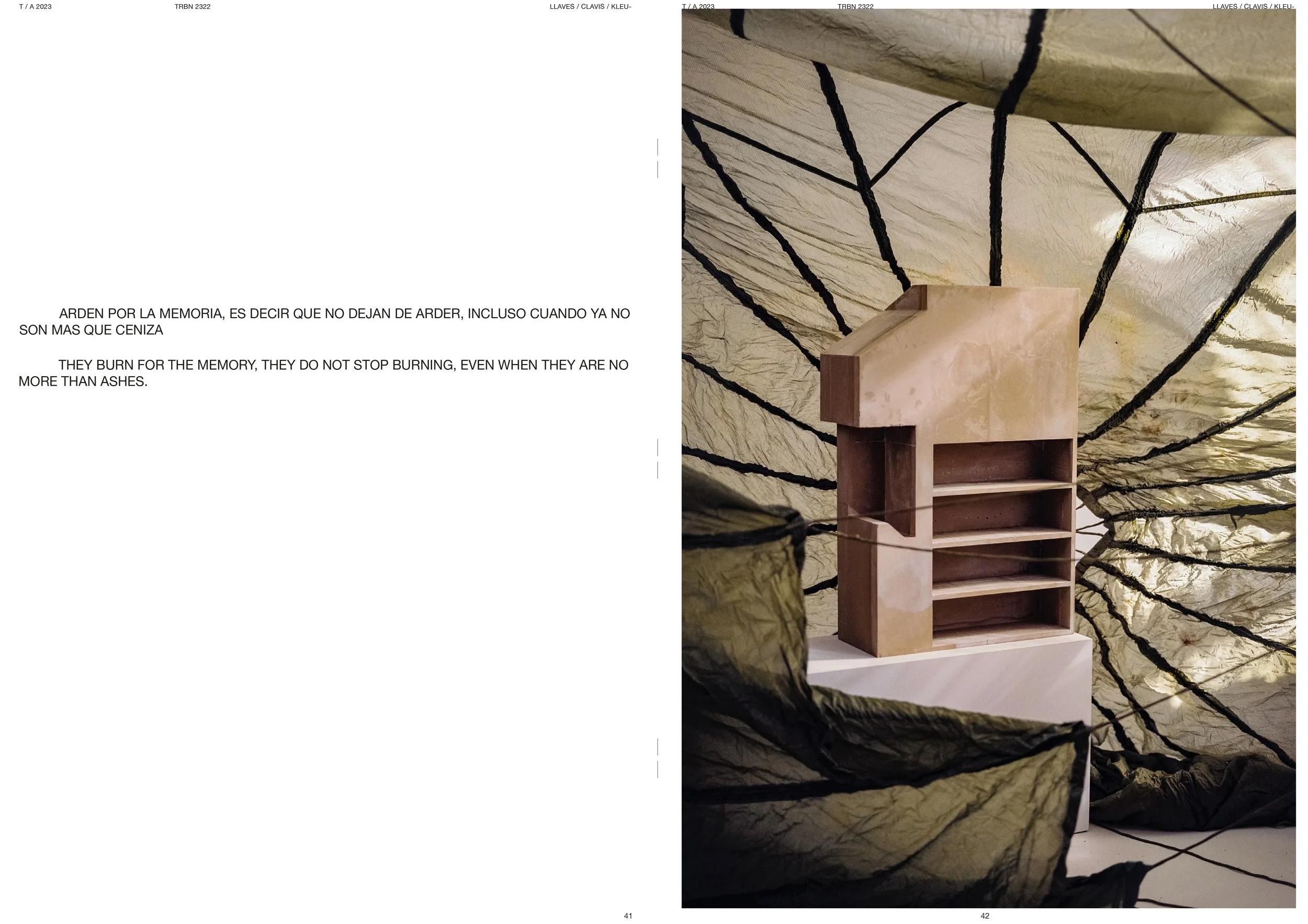
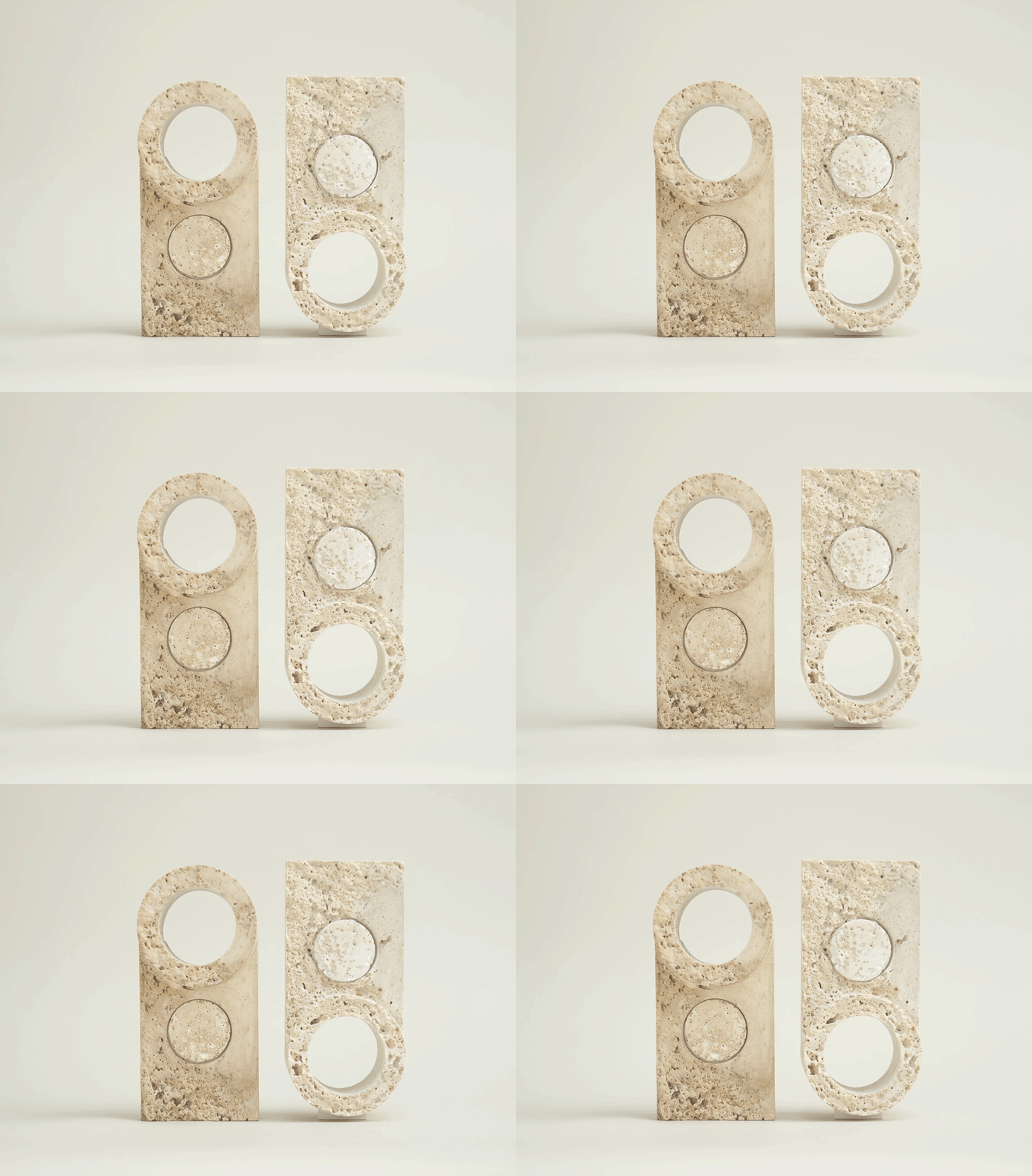
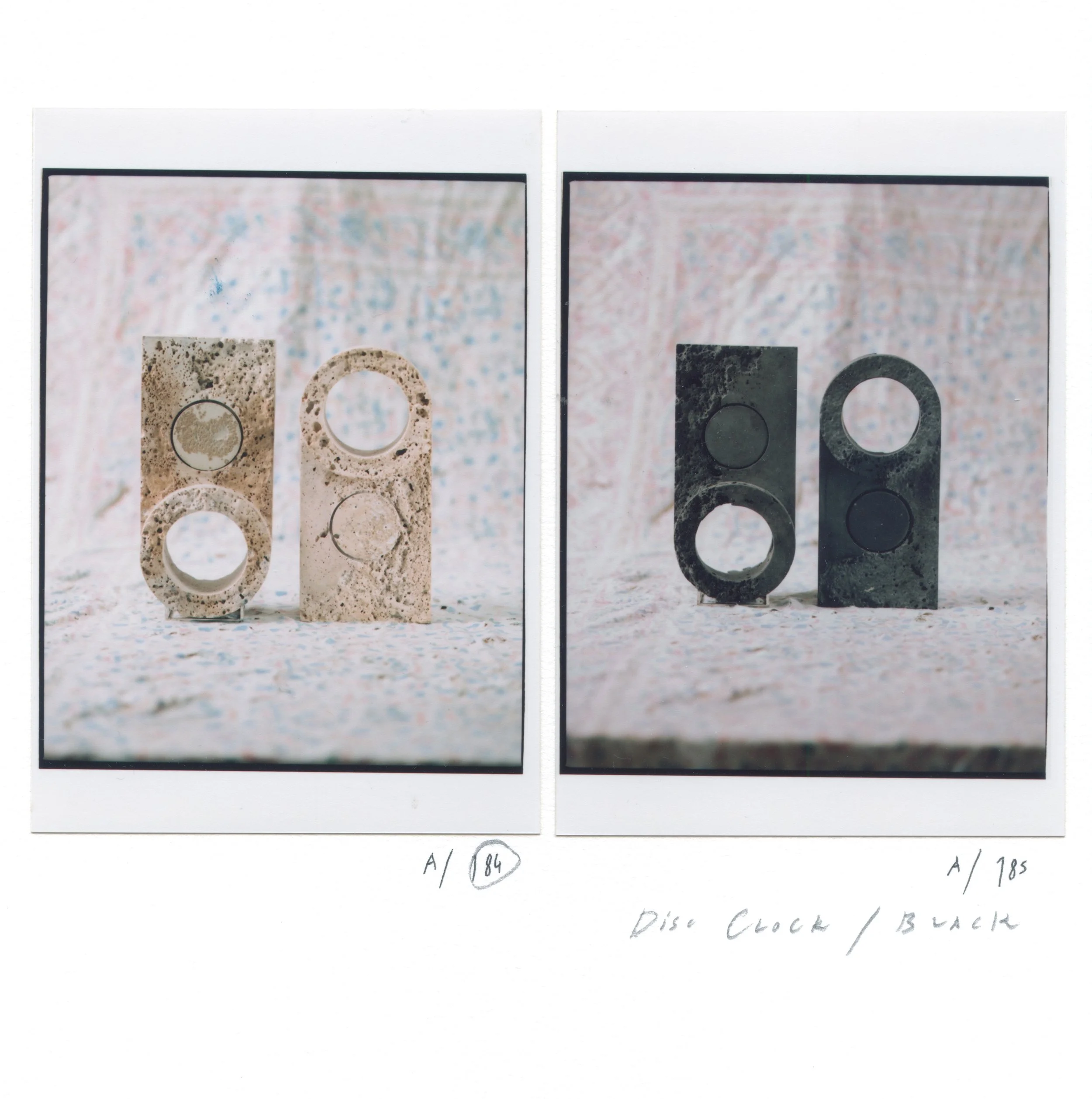
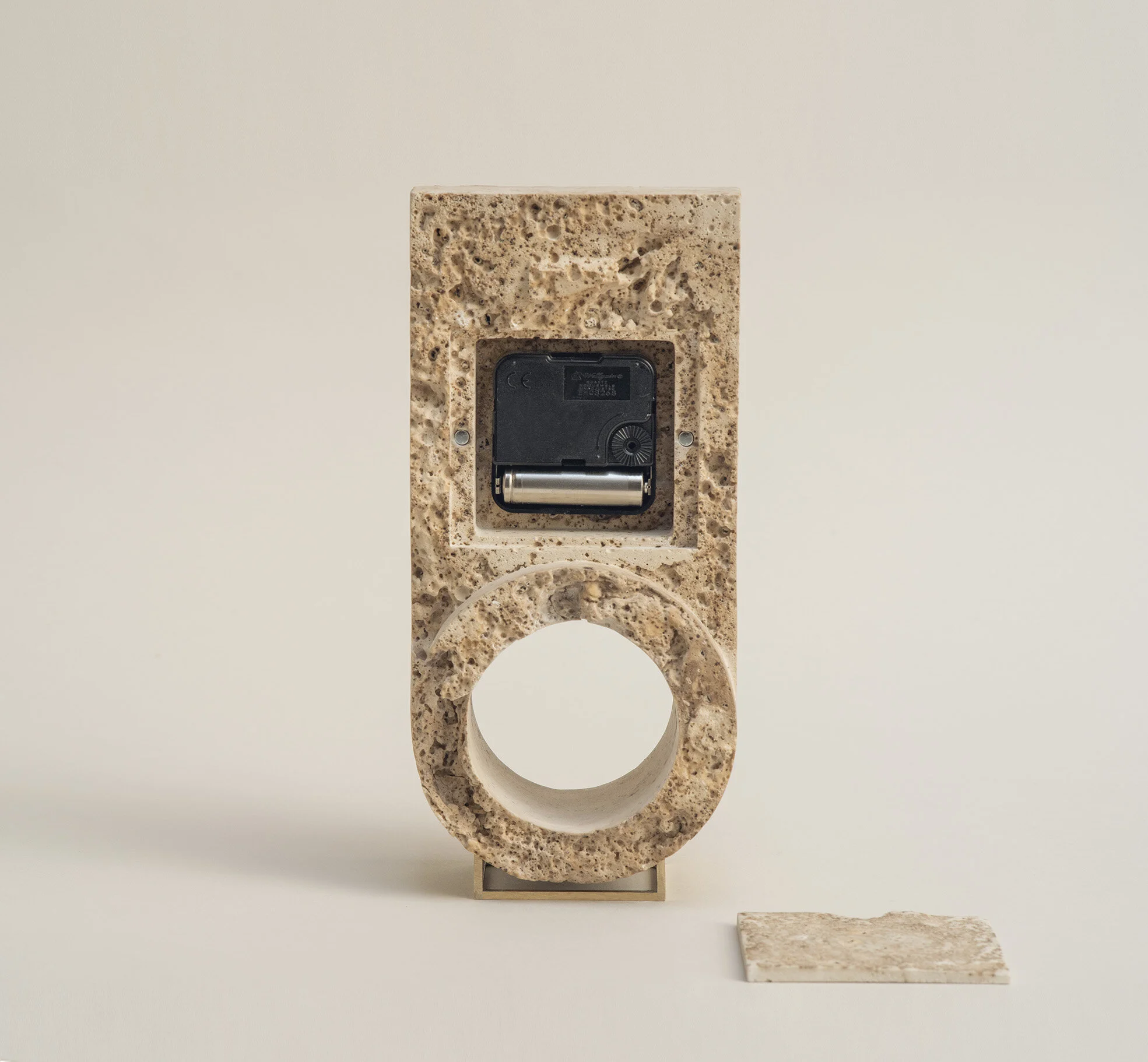
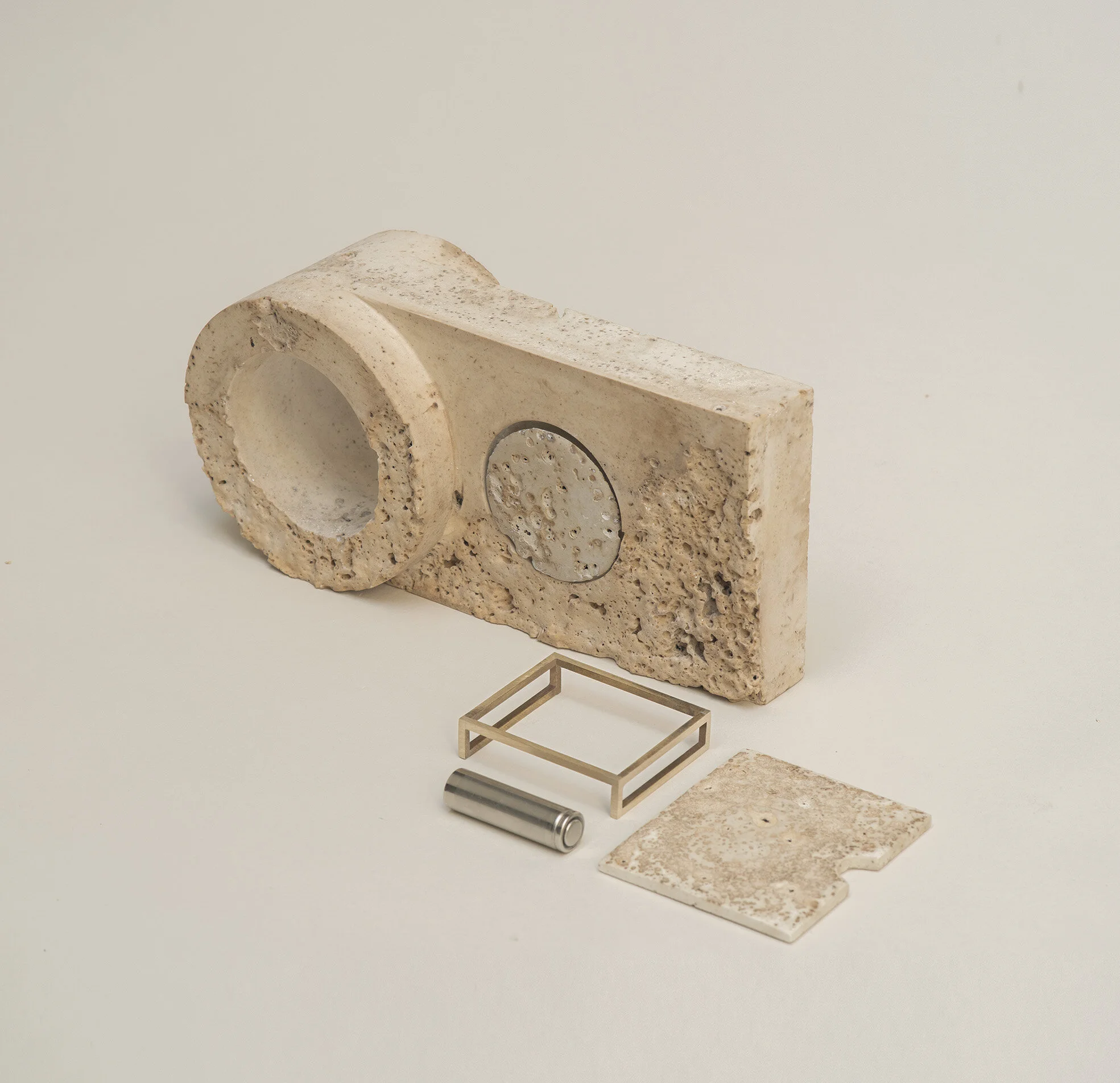
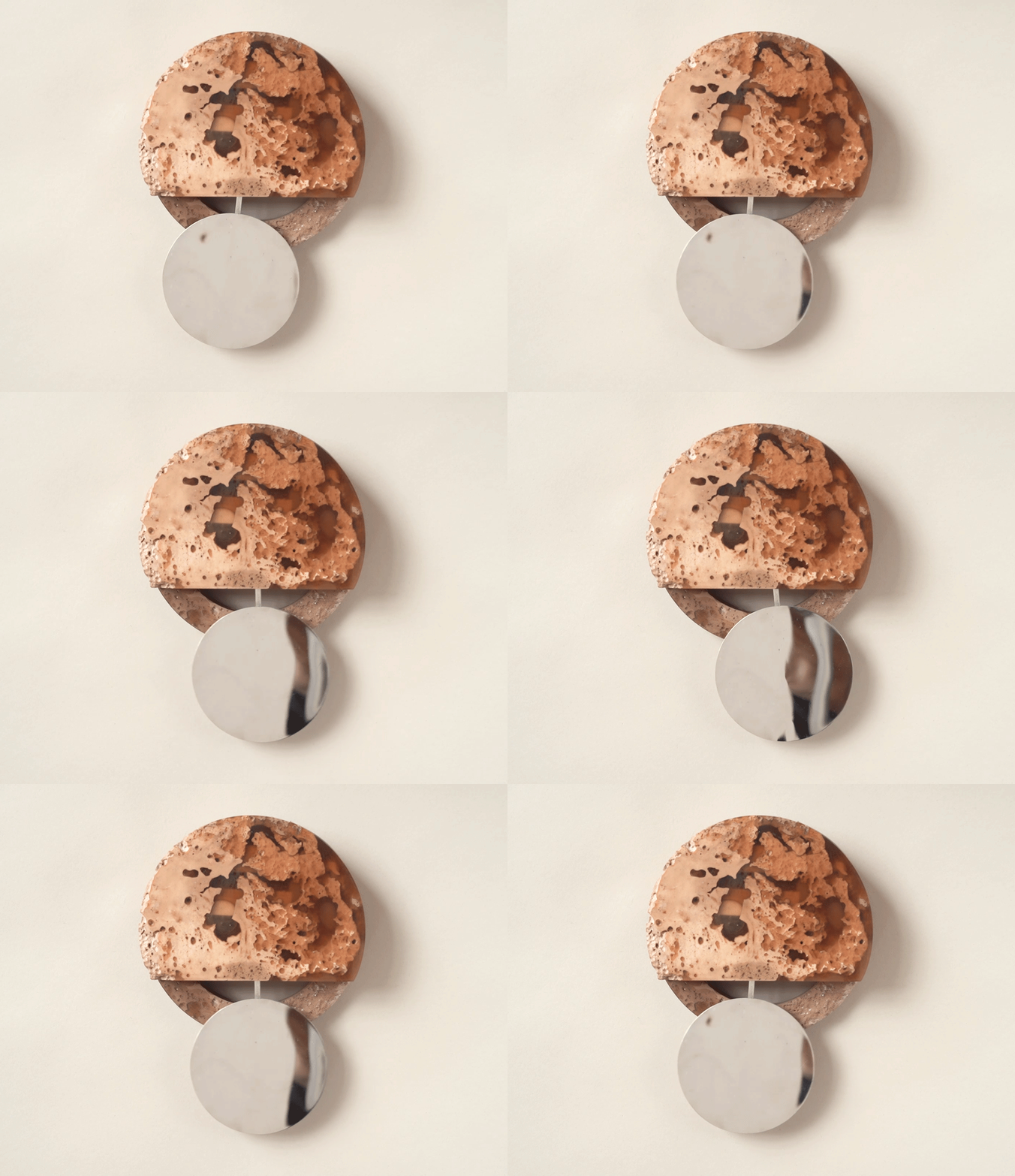
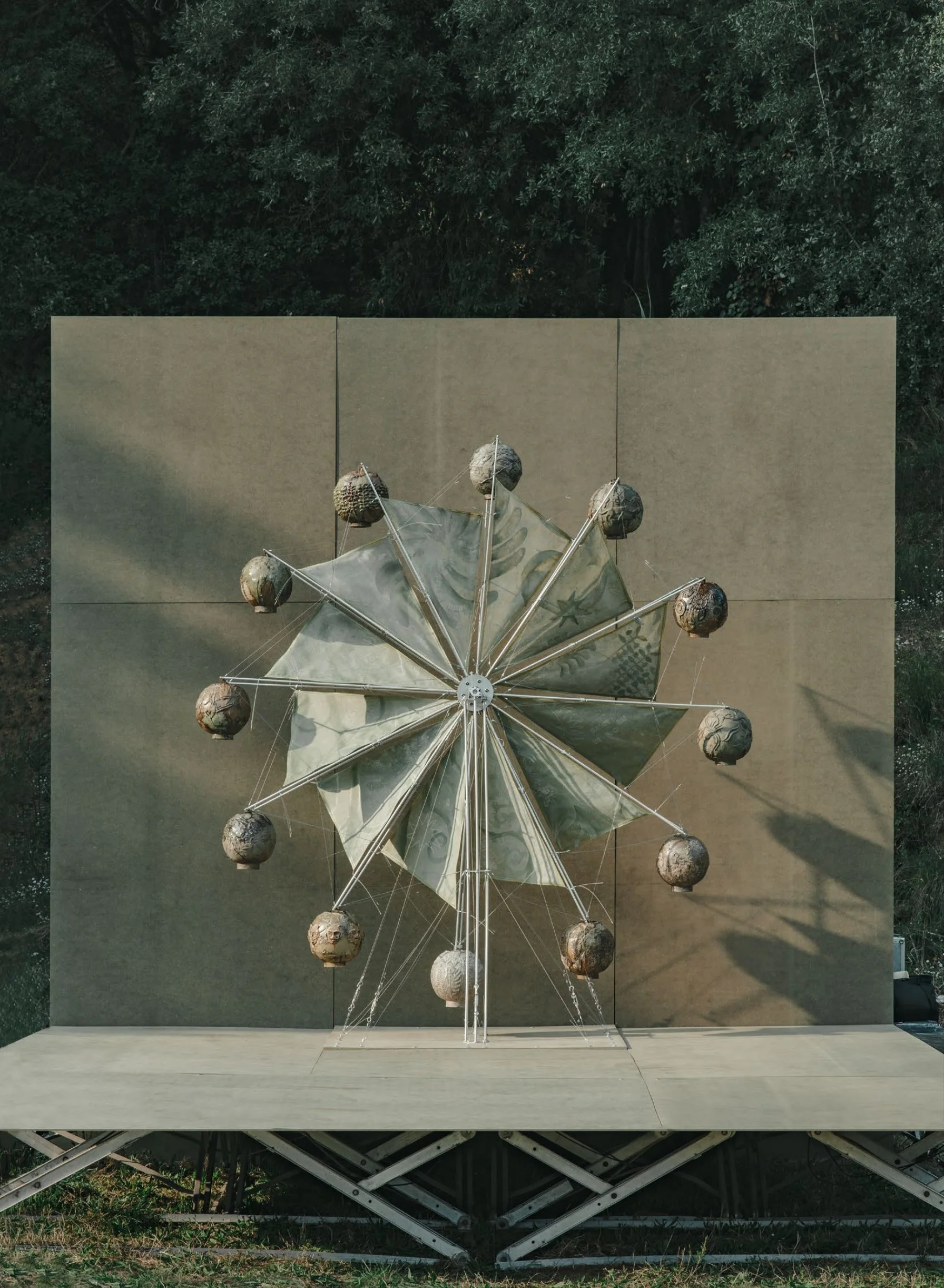
Las Llaves is inspired by the "key objects" that appear in science fiction stories and that trigger a drastic twist in the plot. Surprisingly, it is often a physical, tangible object that triggers this change (the monolith in 2001 Space Odyssey, the dry tree in Blade Runner 2049, or the Tesseract in Interstellar). These "key objects" somehow condense (symbolize) and make physical the most transcendental and profound reflections of the characters, and ultimately of the human being.
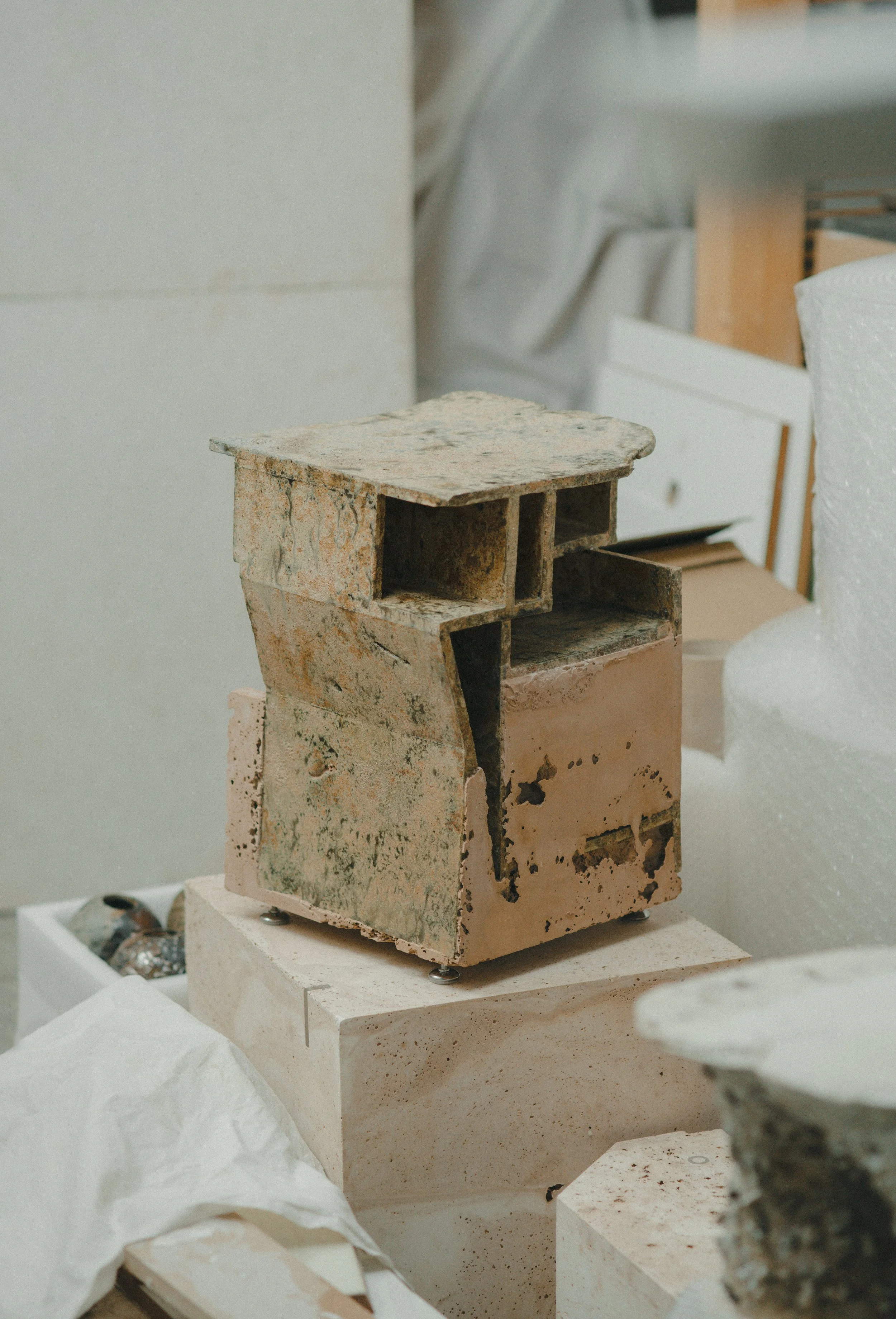
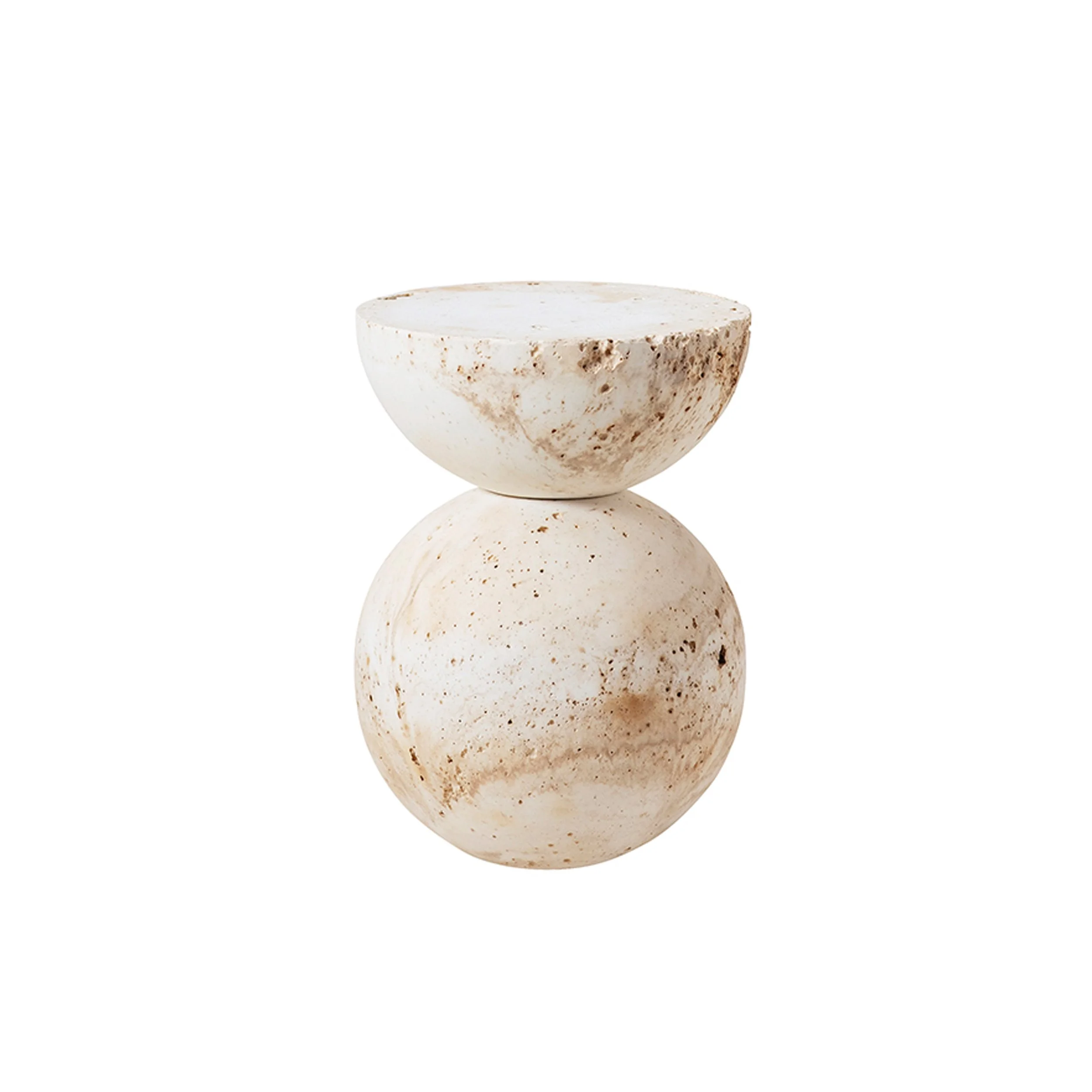
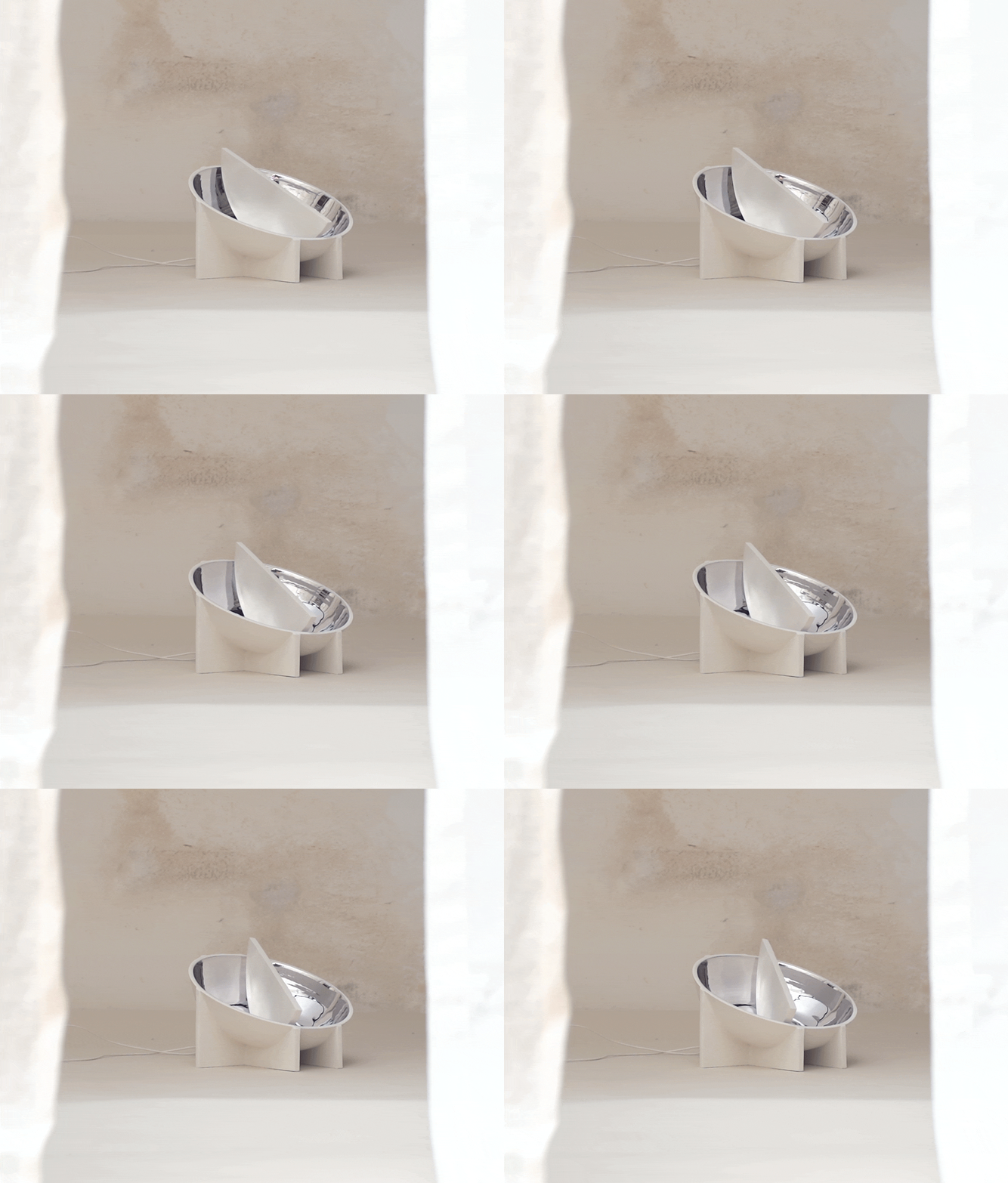
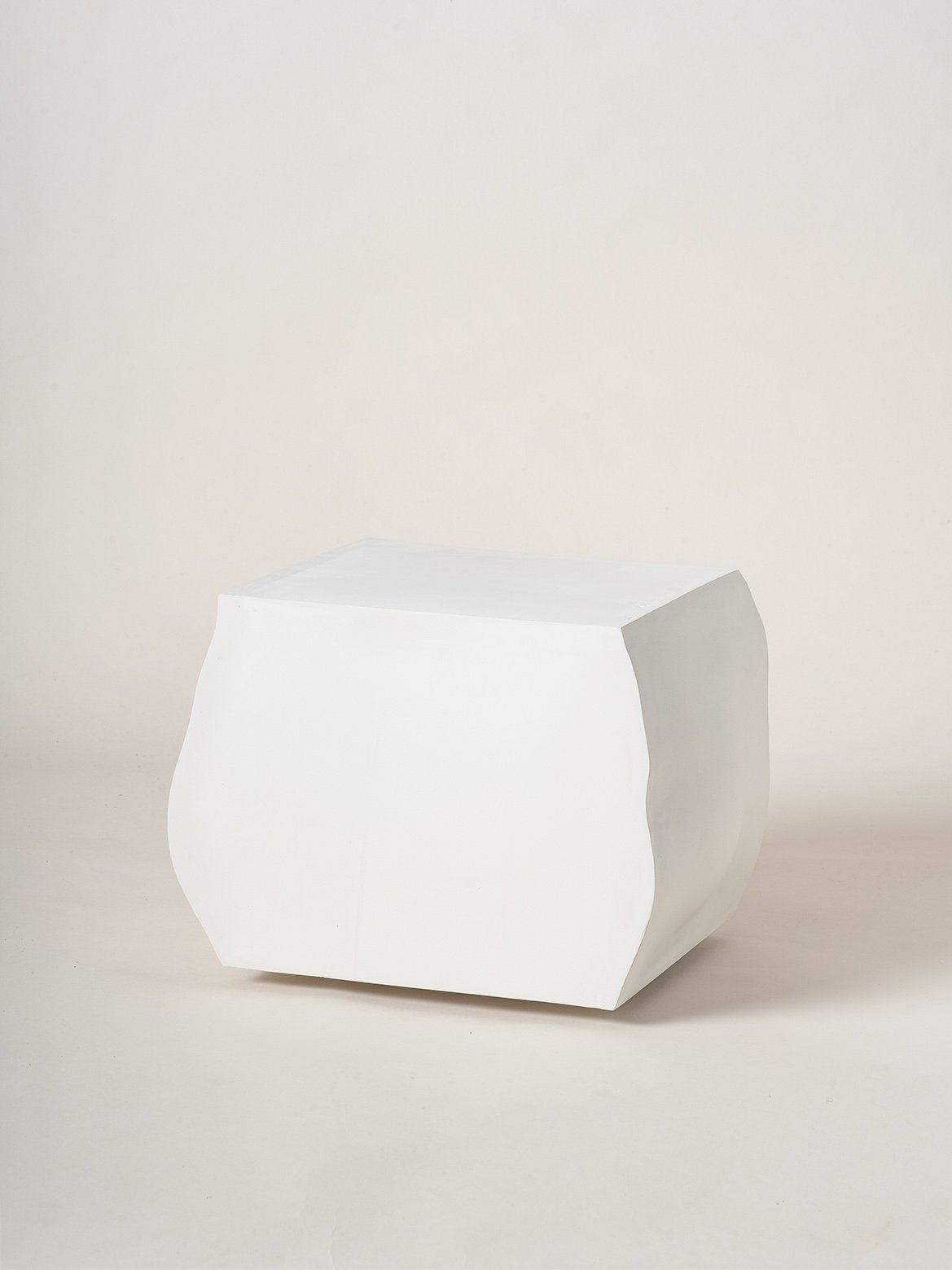
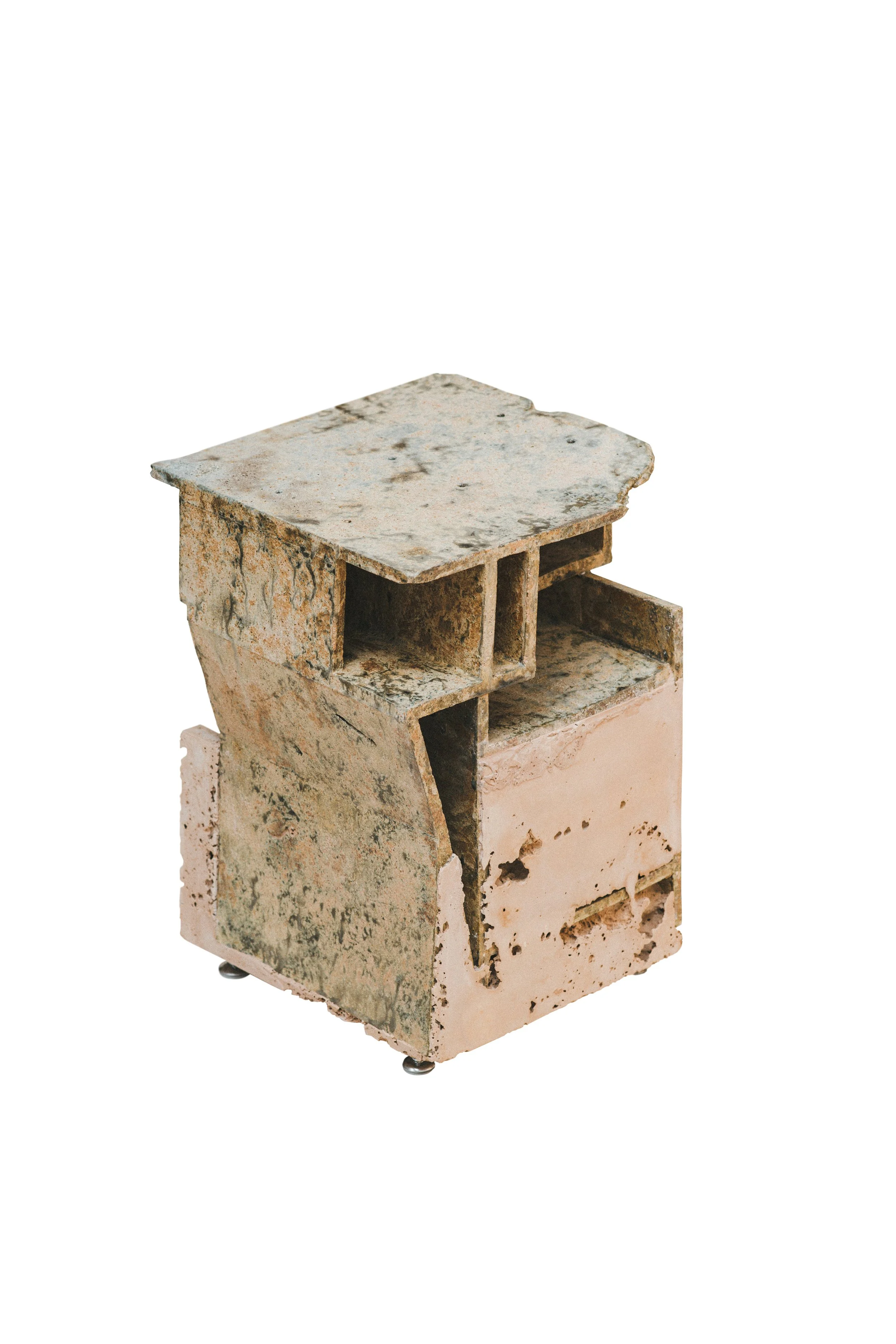
Thus, Las Llaves are presented as mysterious objects, difficult to classify, with a geometric, brutalist and irregular aesthetic that refer to the future and to archaic times at the same time.
"The corporeality of the objects is opposed to the transparency and lightness of our modern age. It presents itself as a dense and opaque element, it arises from a need for the physical that rejects the aseptic, the new and the virtual, it is embodied in archaic and primitive forms"
"From science fiction we take objects that go beyond their physical presence to become icons of transcendence, acquiring the quality of bridge, threshold for encounter and revelation. We speak of artifacts, objects that evidence the ignorance and limitations of the human being, that invite reflection and an almost religious contemplation. These objects that we cannot locate, signify or describe interrupt the continuum of information, they manifest themselves as a tear, a rupture, a place of extreme intensity and condensation where something indefinable dwells".
It is about 4 pieces (A, B, C and D) that work separately, but also assemble (A-B and C-D), fit together around a crystal. It is a physical and precise fit that requires no screws or tools. They are both functional and sculptural. Depending on the position in which they are arranged, they appear as a low table, low stools, minimal shelving, or sculptural pieces.